A persistent toothache, sensitivity to hot and cold, swelling, or pain while chewing can sometimes indicate a problem deep inside the tooth. When the soft tissue inside a tooth becomes infected or inflamed, your dentist may recommend Root Canal Treatment (RCT) to save the natural tooth.
Despite being one of the most common dental procedures, root canal treatment is still surrounded by myths—especially the idea that RCT is extremely painful. Modern dentistry has made root canal treatment more comfortable and predictable, and understanding the procedure can help you approach treatment with greater confidence.
If your dentist has recommended an RCT, here are 7 important things you should know before starting treatment.
1. A Root Canal Is Done to Save Your Natural Tooth
One of the main goals of root canal treatment is to save a natural tooth that might otherwise need to be extracted.
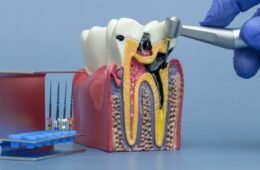
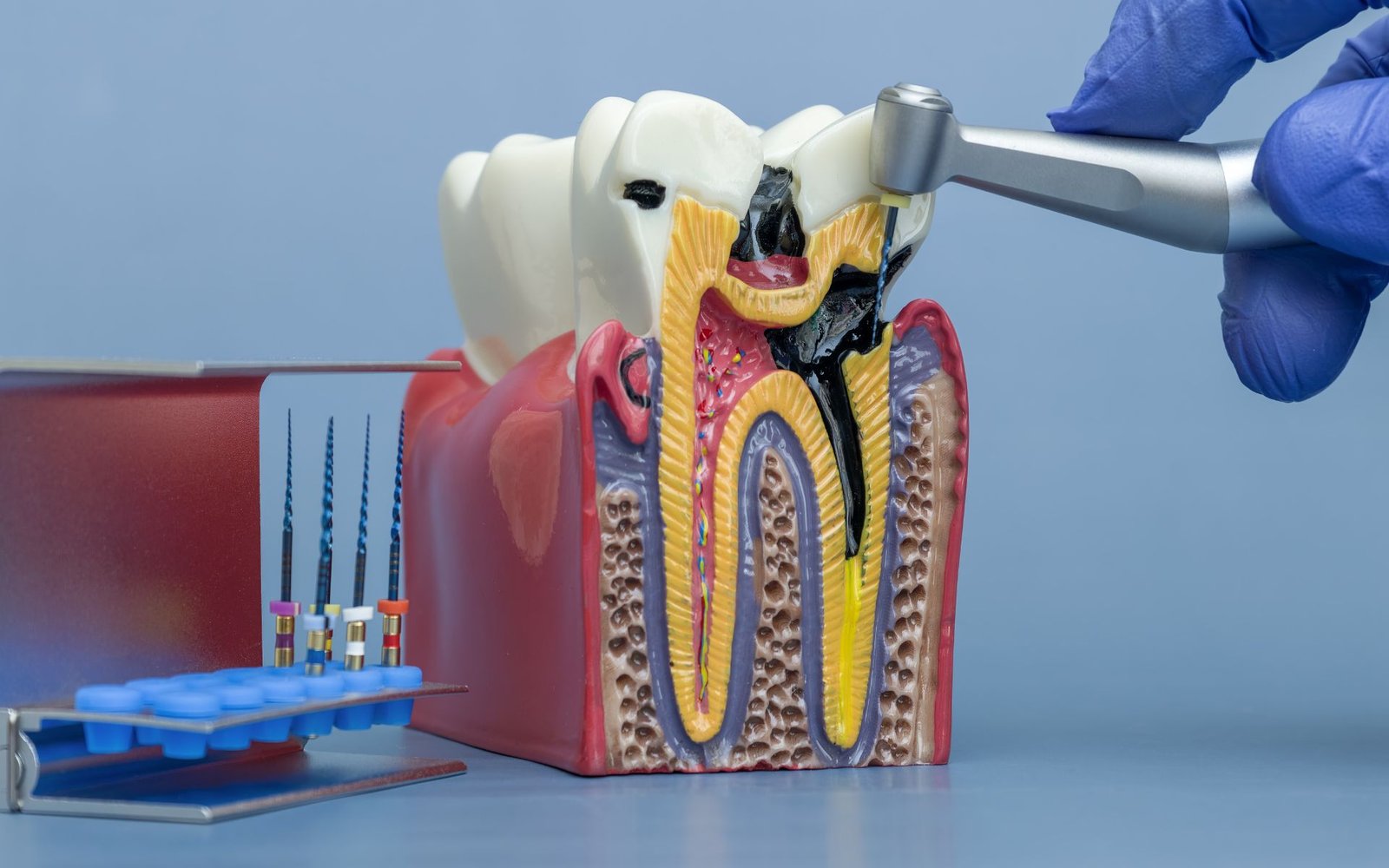
Inside every tooth is a soft tissue called the dental pulp, which contains nerves and blood vessels. Deep decay, cracks, repeated dental procedures, or trauma can allow bacteria to reach this area. When the pulp becomes infected or irreversibly inflamed, simply placing a filling may not be enough.
During an RCT, the infected or damaged pulp is carefully removed. The root canals are cleaned, shaped, and sealed before the tooth is restored.
Saving your natural tooth can help maintain normal chewing and preserve the alignment of the surrounding teeth.
2. Root Canal Treatment Is Not Usually as Painful as People Think
The fear of pain is one of the biggest reasons people postpone RCT.
However, modern root canal treatment is performed using local anesthesia, which helps numb the affected area during the procedure. The American Association of Endodontists explains that modern techniques and anesthesia have made root canal treatment a relatively comfortable procedure for most patients.
You may experience some tenderness or mild discomfort after treatment, particularly when biting on the treated tooth. This generally improves as the area heals.
If you are anxious about dental treatment, tell your dentist before the procedure. Your dental team can explain each step and discuss ways to make your appointment more comfortable.
3. You May Need More Than One Appointment
The number of appointments required for an RCT depends on the condition of the tooth, the complexity of the root canals, the presence of infection, and the treatment approach used by your dentist.
Some root canals can be completed in a single visit, while other cases may require multiple appointments.
During treatment, your dentist removes the infected pulp, cleans and shapes the root canal system, and seals it to prevent further bacterial contamination.
Your dentist will explain your expected treatment timeline after examining the tooth.
4. You Should Not Ignore Tooth Pain Before RCT
Some people delay treatment because the pain temporarily disappears. Unfortunately, the disappearance of pain does not always mean that the problem has healed.
If the dental pulp becomes severely damaged or dies, the tooth may temporarily stop causing pain even though infection can continue developing around the root.
Possible warning signs of a tooth that may require root canal treatment include:
- Persistent or severe toothache
- Sensitivity to hot or cold
- Pain while biting or chewing
- Swelling around the tooth
- A recurring gum boil or pimple
- Darkening or discoloration of the tooth
- Tenderness around the affected tooth
Not every toothache requires an RCT, so diagnosis is important. Your dentist may use clinical examination and dental imaging to determine the cause of your symptoms.
5. A Dental Crown May Be Recommended After RCT
After root canal treatment, the tooth may need additional protection.
This is particularly important for back teeth, which experience significant chewing forces. Depending on the amount of natural tooth structure remaining and the location of the tooth, your dentist may recommend a dental crown or another suitable restoration.
A crown covers and protects the remaining tooth structure and helps restore its shape and function.
However, not every root-treated tooth automatically requires the same type of restoration. Your dentist will evaluate the tooth and recommend the appropriate option.
6. Root Canal Treatment Has Several Important Benefits
When successful, root canal treatment can provide several advantages.
It Can Save Your Natural Tooth
Instead of removing the tooth, RCT allows the natural tooth structure to remain in place.
It Can Relieve Infection-Related Pain
Removing infected or inflamed pulp and properly cleaning the root canals addresses the source of the problem.
It Can Restore Normal Function
After the tooth is properly restored, you can generally use it for normal chewing.
It Helps Maintain Your Natural Smile
Keeping the natural tooth can help preserve the position of neighboring teeth and maintain the natural appearance of your smile.
The goal is not simply to eliminate pain but to restore the tooth so that it can function as part of your overall bite.
7. Proper Aftercare Is Essential
Your treatment does not end when you leave the dental clinic. Proper aftercare plays an important role in protecting the treated tooth.
Your dentist may recommend avoiding hard or sticky foods until the final restoration has been placed, particularly if the tooth has only received a temporary filling.
Continue brushing and cleaning between your teeth as advised by your dental professional. Once the permanent restoration is completed, maintain regular oral hygiene and attend routine dental check-ups.
If you experience significant swelling, worsening pain, or any unexpected symptoms after treatment, contact your dentist promptly.
Root Canal vs Tooth Extraction: Which Is Better?
Patients sometimes wonder whether extraction is easier than RCT.
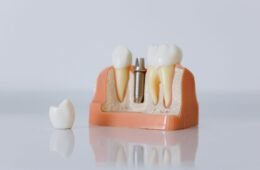
Extraction removes the problematic tooth, but it leaves a gap that may eventually need to be replaced with an implant, bridge, or denture. Depending on the situation, this can involve additional procedures and costs.
When a tooth can be predictably restored, preserving the natural tooth through root canal treatment may be preferable.
However, severely damaged or non-restorable teeth may need extraction. Your dentist can assess the condition of the tooth and explain whether saving it is realistic.
How Can You Prevent the Need for Root Canal Treatment?
While not every dental problem can be prevented, good oral hygiene can reduce the risk of tooth decay and gum disease.
Follow these simple habits:
- Brush your teeth twice a day with fluoride toothpaste.
- Clean between your teeth regularly.
- Limit frequent consumption of sugary foods and drinks.
- Wear a mouthguard during contact sports when appropriate.
- Don’t ignore persistent tooth pain or sensitivity.
- Visit your dentist for regular examinations.
- Treat cavities before they become deep.
Early dental care can sometimes prevent a small cavity from progressing to the deeper tissues of the tooth.
Final Thoughts
Root canal treatment is a tooth-saving procedure, not something that should automatically be feared. Modern anesthesia, diagnostic technology, and improved dental techniques can make RCT much more comfortable than many patients expect.
The most important thing is not to delay professional evaluation when you experience persistent tooth pain, sensitivity, swelling, or discomfort while chewing.
If your dentist has recommended an RCT, ask questions about the condition of your tooth, the expected treatment process, restoration options, and aftercare.
At Dheer Dental Clinic, patients can receive personalized dental evaluation and treatment planning based on their individual oral health needs. If you are experiencing tooth pain or have been advised to undergo root canal treatment, schedule a dental consultation to understand your options and protect your natural smile.