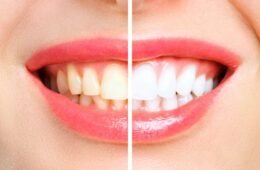
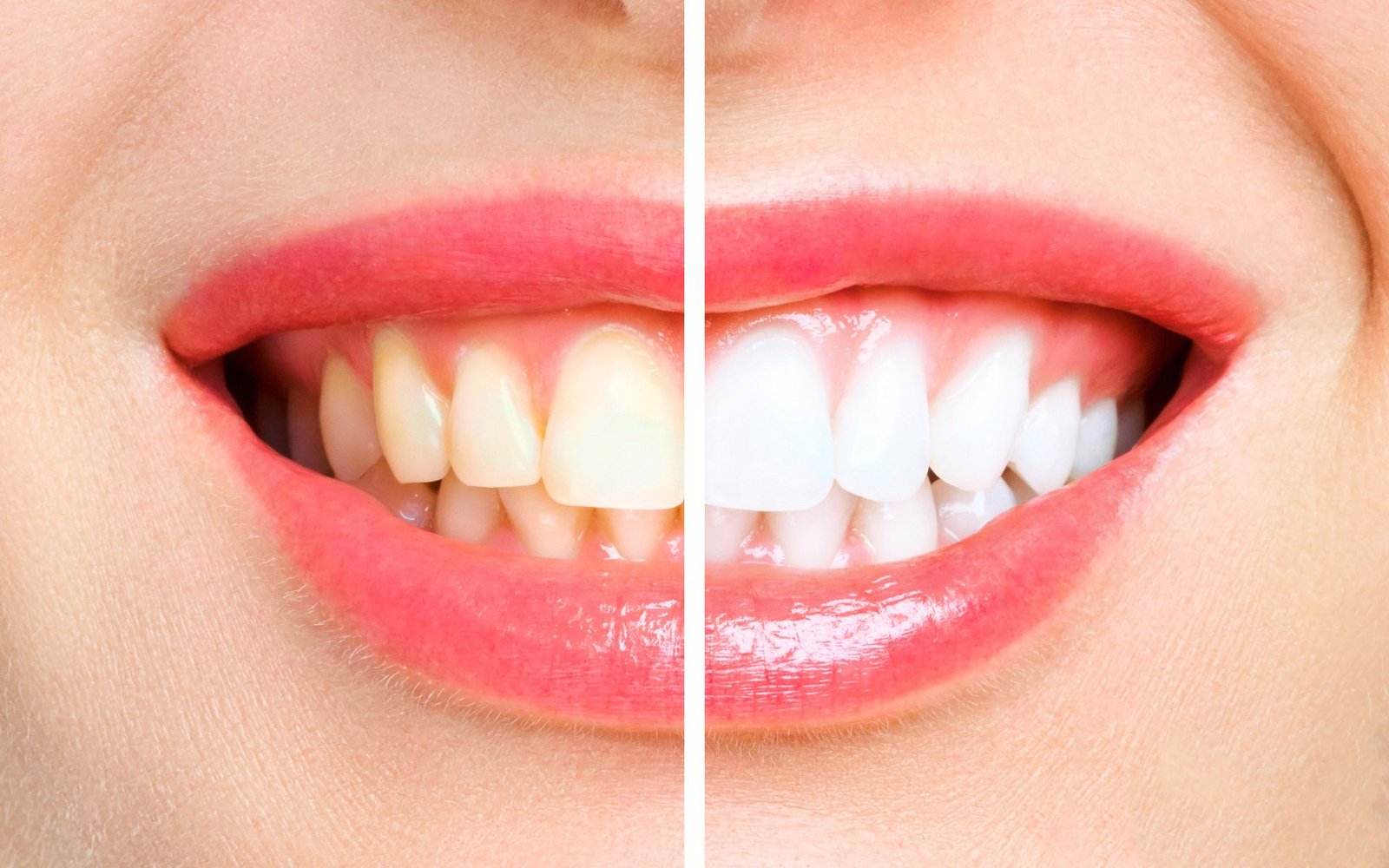
A bright, confident smile is something many people want, especially with the growing popularity of smile makeovers, social media, photography, and cosmetic dentistry. Over time, teeth can become yellow or stained because of coffee, tea, tobacco, certain foods, poor oral hygiene, aging, and other factors.
With so many whitening products and DIY remedies available online, patients often ask an important question: Should I choose professional teeth whitening or try home remedies?
In 2026, professional teeth whitening remains one of the most predictable ways to improve the appearance of natural teeth. However, not every whitening method is suitable for everyone. Understanding the difference between professional treatment and home remedies can help you make a safer and more informed decision.
Why Do Teeth Become Yellow or Stained?
Before choosing a whitening treatment, it is important to understand why teeth change color.
Some common causes include:
- Regular consumption of tea and coffee
- Tobacco and smoking
- Dark-colored foods and beverages
- Poor oral hygiene
- Natural aging
- Certain medications or medical conditions
- Tooth trauma
- Accumulation of plaque and tartar
Teeth can also naturally have shades of yellow, cream, or gray. Whitening is not about making every person’s teeth the same color; the achievable result depends on the original tooth color and the type of discoloration.
What Is Professional Teeth Whitening?
Professional teeth whitening is a cosmetic dental procedure performed or supervised by a dental professional using professionally selected whitening materials.
Depending on the treatment, whitening may be performed in the dental clinic or through dentist-provided take-home products. Professional whitening typically uses peroxide-based bleaching agents, which work by breaking down stain molecules within the tooth.
The American Dental Association recognizes hydrogen peroxide and carbamide peroxide as commonly used whitening ingredients in dental bleaching products.
One of the biggest advantages of professional whitening is that your dentist can assess your teeth and gums before recommending treatment.
What Are Home Teeth Whitening Remedies?
Home whitening remedies range from commercially available whitening toothpastes and strips to DIY methods shared on social media.
Some popular internet remedies include:
- Baking soda
- Lemon or citrus juice
- Charcoal
- Hydrogen peroxide mixtures
- Oil pulling
- Homemade whitening pastes
The problem is that natural does not automatically mean safe or effective.
Some DIY techniques can be abrasive or acidic and may damage enamel or irritate the gums when used incorrectly. The American Dental Association advises caution with DIY whitening approaches and notes that some methods have limited evidence supporting their effectiveness.
Professional Whitening vs Home Remedies: The Key Difference
The biggest difference is professional supervision and predictability.
With professional whitening, a dentist can examine your teeth, identify existing dental problems, discuss your expectations, and recommend an appropriate whitening approach.
With DIY remedies, you may not know whether the discoloration is caused by surface stains, deeper tooth discoloration, decay, enamel changes, or another dental condition.
A whitening treatment cannot fix cavities, damaged fillings, gum disease, or other underlying dental problems.
Is Professional Teeth Whitening Faster?
Professional whitening can provide noticeable improvement in a relatively short period, depending on the treatment method and the starting shade of the teeth.
In-office whitening is generally designed to deliver a concentrated whitening treatment under professional supervision.
Dentist-provided home whitening can take longer but may offer greater flexibility because treatment is performed gradually according to the dentist’s instructions.
The exact result and treatment duration vary from person to person.
Are Home Remedies Safe for Teeth?
This is where patients need to be particularly careful.
For example, acidic ingredients such as lemon juice can contribute to enamel erosion. Highly abrasive substances may also wear the tooth surface if used aggressively or repeatedly.
Using undiluted or improperly prepared chemicals can also irritate the gums and soft tissues.
Just because a whitening trick is popular on Instagram, YouTube, or other social platforms does not mean it has been properly tested for dental safety.
If you want to whiten your teeth at home, it is better to discuss dentist-recommended options rather than experimenting with household ingredients.
What About Whitening Toothpaste?
Whitening toothpaste can be useful for removing certain surface stains, particularly stains caused by food and drinks.
However, whitening toothpaste does not necessarily produce the same effect as professional bleaching. Many whitening toothpastes primarily work by removing surface discoloration rather than significantly changing the natural internal color of the tooth.
The ADA notes that whitening toothpastes can help remove surface stains, while bleaching products can lighten the natural color of teeth.
Can Teeth Whitening Cause Sensitivity?
Some people experience temporary tooth sensitivity during or after whitening.
Sensitivity may be more noticeable in people who already have sensitive teeth, exposed roots, enamel wear, cavities, or other dental problems.
Professional supervision can help identify potential concerns before treatment and allows your dentist to recommend an appropriate whitening approach.
If you experience significant or persistent sensitivity, stop using the whitening product and consult your dentist.
Can Whitening Damage Your Enamel?
When appropriate whitening products are used correctly and according to professional or manufacturer instructions, teeth whitening can generally be performed safely.
The greater concern is inappropriate use, excessive frequency, highly abrasive DIY substances, or applying acidic materials to the teeth.
This is another reason why professional evaluation is valuable. Your dentist can determine whether whitening is appropriate and help you avoid unnecessary damage.
Are All Teeth Suitable for Whitening?
No.
Professional whitening generally works on natural tooth structure, but restorations such as crowns, veneers, bridges, and tooth-colored fillings may not whiten in the same way.
If you have visible dental restorations, whitening your natural teeth could potentially create a shade difference between your natural teeth and existing restorations.
A dentist can assess your smile and discuss whether whitening, replacement of restorations, or another cosmetic treatment would provide the most consistent result.
Professional Whitening or Home Remedies: Which Should You Choose?
For patients looking for a predictable and professionally supervised cosmetic treatment, professional teeth whitening is usually the better choice.
| Professional Whitening | DIY Home Remedies |
|---|---|
| Dentist-supervised | Usually self-administered |
| Treatment selected based on dental condition | Often not personalized |
| More predictable results | Results can vary |
| Professional-grade products | May involve untested ingredients |
| Dentist can assess cavities and gum health | Underlying problems may go unnoticed |
| Better control over treatment | Risk of incorrect application |
This does not mean every person needs an in-office whitening procedure. Dentist-recommended take-home whitening can also be an effective option for suitable patients.
How Can You Maintain Whiter Teeth After Treatment?
Whitening is not a permanent solution. Teeth can gradually become stained again, particularly if you regularly consume coffee, tea, tobacco, or other staining substances.
To maintain your results:
- Brush twice daily with fluoride toothpaste.
- Clean between your teeth regularly.
- Visit your dentist for routine check-ups.
- Limit frequent consumption of highly staining foods and drinks.
- Rinse your mouth with water after consuming staining beverages.
- Avoid smoking and tobacco.
- Follow your dentist’s advice regarding whitening maintenance.
Good oral hygiene is important not only for maintaining a brighter smile but also for keeping your teeth and gums healthy.
Final Verdict: Professional Whitening vs Home Remedies
If you are looking for a safer, more predictable, and professionally guided way to brighten your smile, professional teeth whitening is generally a better option than experimenting with DIY home remedies.
Home remedies may appear inexpensive and convenient, but some can be ineffective, abrasive, or harmful when used incorrectly. Professional whitening allows a dentist to evaluate your oral health first and recommend a treatment suited to your teeth.
At Dheer Dental Clinic, patients can discuss their smile goals and learn whether professional teeth whitening is appropriate for them. If you are unhappy with yellow or stained teeth, a dental consultation can help you understand your options and choose a whitening approach that prioritizes both a brighter smile and healthy teeth.