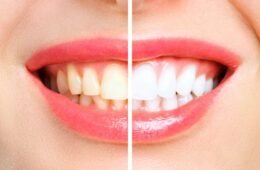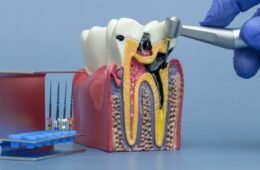
Missing a tooth can affect much more than your smile. It can make chewing uncomfortable, change the way you speak, affect your confidence, and allow the surrounding teeth to shift over time. Fortunately, modern dentistry offers several ways to replace missing teeth, including dentures, dental bridges, and dental implants.
Among these options, dental implants have become one of the most advanced and natural-looking solutions for tooth replacement. But are dental implants really the best solution for everyone in 2026? The answer depends on your oral health, jawbone condition, lifestyle, expectations, and treatment needs.
What Are Dental Implants?
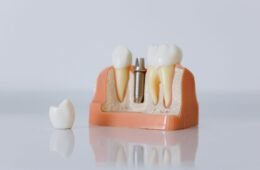
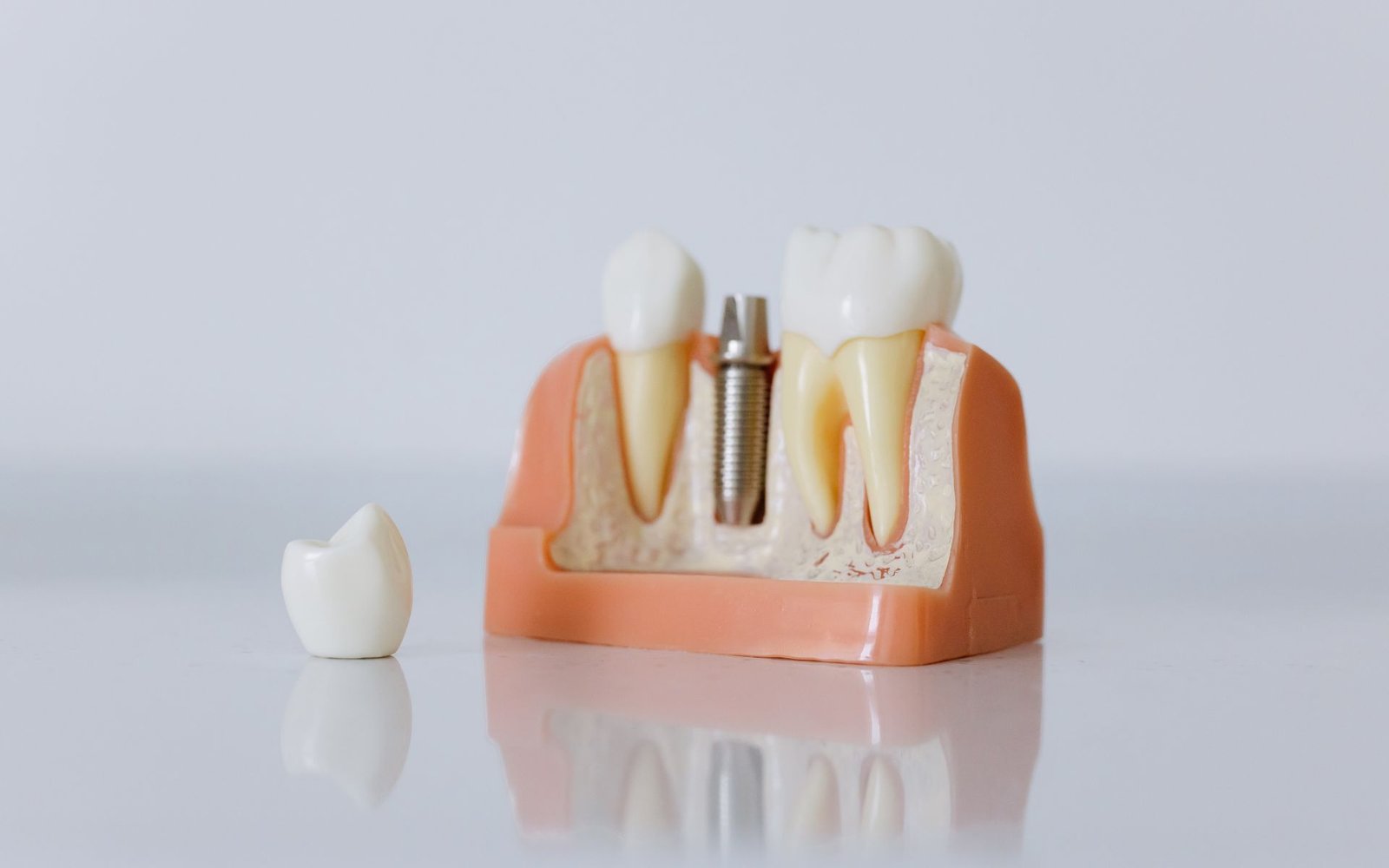
A dental implant is a small post, usually made from titanium or another biocompatible material, that is surgically placed into the jawbone to replace the root of a missing tooth. Once the implant integrates with the bone, a connector called an abutment and a custom-made crown can be attached to restore the visible tooth.
Unlike traditional dentures, dental implants are anchored into the jawbone. This provides a stable foundation for replacement teeth and can help restore both appearance and chewing function.
Dental implants can be used to replace a single missing tooth, multiple missing teeth, or, in suitable cases, support implant-retained dentures or full-arch restorations.
Why Are Dental Implants So Popular in 2026?
Dental implants continue to attract attention because they offer a combination of stability, appearance, and functionality. Modern dental treatment also increasingly uses digital imaging, 3D scans, and customized treatment planning to help dentists evaluate the patient’s teeth, gums, jawbone, and overall treatment requirements.
The goal is not simply to replace a missing tooth but to create a restoration that works comfortably and fits naturally with the patient’s existing teeth.
The American Dental Association notes that implants can be an option for resolving problems associated with missing teeth, while also emphasizing that treatment should be based on an individual dental evaluation.
1. Dental Implants Look and Feel More Like Natural Teeth
One of the biggest advantages of dental implants is their natural appearance.
A professionally planned implant crown can be customized to match the color, shape, and proportions of your surrounding teeth. Because the implant is fixed in the jawbone, it does not have the same movement that some removable dentures can experience.
For many patients, this means they can smile, speak, and eat without constantly worrying about their replacement tooth moving out of position.
2. Implants Can Restore Chewing Function
Missing teeth can make certain foods difficult or uncomfortable to eat. Depending on the number and location of missing teeth, implants can provide a stable foundation for replacement teeth.
Because an implant is anchored in the jawbone, it can provide strong support for a crown or other implant-supported restoration. Mayo Clinic describes the solid support created by the connection between the implant and surrounding bone as a major benefit of implant treatment.
However, every patient’s situation is different, and your dentist should determine whether implants are appropriate for you.
3. They Can Help Replace a Missing Tooth Without Using Neighboring Teeth
A traditional dental bridge generally uses neighboring teeth to support the replacement tooth. An implant-supported crown, on the other hand, can replace a single missing tooth by using an implant as the artificial root.
This can make implants an attractive option for patients who want to replace one missing tooth while maintaining the structure of the adjacent teeth.
That does not mean implants are automatically better than bridges for every patient. A thorough dental examination is essential before choosing between treatment options.
4. Dental Implants Can Support Different Types of Tooth Replacement
Implants are not limited to replacing just one tooth.
Depending on your needs, implants may be used to support:
- Single-tooth crowns
- Implant-supported bridges
- Implant-supported dentures
- Full-arch tooth replacement
The appropriate approach depends on the number of missing teeth, jawbone condition, gum health, bite, and overall treatment goals.
5. Who Can Be a Candidate for Dental Implants?
Dental implants may be suitable for adults who have one or more missing teeth and have adequate bone and healthy oral tissues to support treatment.
Your dentist may evaluate your jawbone using dental X-rays or 3D imaging and assess your remaining teeth and gums before recommending implants. If there is insufficient bone, bone grafting may sometimes be considered to create a more suitable foundation.
Factors such as smoking, certain medical conditions, gum disease, and inadequate bone support can affect treatment planning and healing.
This is why a consultation should always come before deciding that implants are the right choice.
What Is the Dental Implant Process?
Dental implant treatment is usually completed in stages rather than in a single appointment.
The process may include an initial dental examination, imaging and treatment planning, implant placement, a healing period, and placement of the final restoration. In some cases, additional procedures such as bone grafting may be required.
After the implant is placed, the jawbone needs time to integrate with it. This process, known as osseointegration, creates the foundation needed to support the replacement tooth.
The complete treatment timeline can therefore vary significantly from patient to patient.
Are Dental Implants Better Than Dentures or Bridges?
There is no single tooth-replacement option that is best for everyone.
Dental implants offer a fixed solution and can provide strong support.
Dental bridges can replace missing teeth without requiring a removable appliance and may sometimes be completed in less time.
Dentures can replace multiple or all missing teeth and may be appropriate for patients who are not candidates for implants or who prefer a removable option.
Your dentist should compare the advantages, limitations, expected treatment time, maintenance requirements, and costs of each option before you make a decision. The ADA specifically recommends discussing the full range of treatment alternatives with a dentist rather than choosing a complex procedure based only on cost or marketing.
Are Dental Implants Permanent?
Dental implants are designed to be a long-term tooth-replacement solution, but they are not completely maintenance-free.
The implant itself cannot develop tooth decay in the same way as a natural tooth, but the gums and bone surrounding an implant still need proper care. Poor oral hygiene can contribute to problems around implants.
Regular dental check-ups, professional cleaning when recommended, good brushing and interdental cleaning, and avoiding damaging habits are important for maintaining implant health.
The crown attached to an implant can also experience normal wear and may eventually need repair or replacement.
Are Dental Implants Safe?
Dental implant surgery is a surgical procedure and, like any procedure, can have risks. Possible complications include infection, damage to nearby structures, nerve-related symptoms, and sinus problems in certain upper-jaw cases.
Fortunately, careful diagnosis, treatment planning, appropriate surgical technique, and proper aftercare can help reduce complications.
Patients should always provide their dentist with complete information about their medications, medical history, smoking habits, and previous dental treatment.
How Much Do Dental Implants Cost?
The cost of dental implants varies considerably because every treatment plan is different.
The final cost may depend on factors such as:
- Number of implants required
- Type and quality of implant system
- Type of crown or restoration
- Need for bone grafting
- Additional dental procedures
- Complexity of the case
- Diagnostic imaging and treatment planning
Instead of choosing an implant treatment based only on the lowest advertised price, patients should consider the dentist’s experience, treatment planning, implant system, quality of restoration, hygiene standards, and follow-up care.
A detailed consultation is the best way to understand the treatment and expected investment for your individual case.
What Should You Consider Before Getting Dental Implants?
Before deciding on dental implants, ask your dentist:
Am I a suitable candidate for implants?
Do I have enough bone to support an implant?
Do I need treatment for gum disease first?
Which implant and restoration options are appropriate for my case?
How long will my treatment take?
What will the complete treatment cost?
What alternatives are available?
A good treatment plan should be based on your specific dental condition rather than a one-size-fits-all approach.
Final Thoughts: Are Dental Implants the Best Solution?
For many people with missing teeth, dental implants can be an excellent long-term tooth-replacement option. They can restore the appearance of your smile, provide stable support for replacement teeth, and help restore everyday oral function.
But the phrase “best solution” is different for every patient. A bridge or denture may be more suitable in certain situations, while implants may be an excellent choice for someone with appropriate bone support and healthy oral tissues.
If you are considering dental implants in 2026, the smartest first step is a comprehensive dental consultation. At Dheer Dental Clinic, patients can discuss their concerns, understand their treatment options, and receive a personalized recommendation based on their oral health and smile goals.
Don’t let missing teeth affect your confidence or quality of life. Talk to a dental professional and find out whether dental implants are the right solution for your smile.